
The average height of Swedes reflects more than just genetics—it reveals insights into the nation’s health, lifestyle, and history. This article explores the factors shaping the stature of this Nordic population.
What is the average height of Swedes?
The average height for men in Sweden hovers around 5 feet 11 inches (180 cm), while Swedish women typically have an average height of approximately 5 feet 6 inches (167 cm). These figures suggest a noticeable but not extreme height difference between the genders in the Swedish population. It’s worth noting that these averages are statistical measures and individual heights can vary considerably. Various factors, including genetics, nutrition, and lifestyle, contribute to the diversity in height observed within the Swedish populace.

Swedes consistently rank among the tallest nations in the world.
Swedish Height vs. Global Averages
Sweden is a European country, and when comparing the average height of individuals in Sweden to that of Europe and the world, there are some general observations. It’s important to note that these are averages and there can be significant variations within populations.
Sweden vs Europe:
- In general, Scandinavians, including Swedes, are often reported to be among the tallest people in Europe.
- The average height in Sweden is relatively high, and it contributes to the overall taller average height of Northern European countries.
Sweden vs World:
- Globally, Swedish people also tend to be taller on average compared to many other countries.
- However, it’s crucial to consider that there are countries with exceptionally tall populations in other regions as well.
| Men | Women | |
|---|---|---|
| Swedes | 5 feet 11 inches (180 cm) | 5 feet 6 inches (167 cm) |
| Europeans | 5 feet 10 inches (178 cm) | 5 feet 5 inches (164 cm) |
| Worldwide | 5 feet 7 inches (171 cm) | 5 feet 3 inches (161 cm) |
*Data source: Wikipedia.
The height of Swedes compared to the previous century
The average height of Swedes has experienced a significant increase over the past century. This phenomenon, known as the secular trend in height, reflects a general upward trend in the average stature of a population over successive generations.
In the early 20th century, Sweden, like many other countries, faced periods of economic hardship, including the Great Depression. These challenging times likely had an impact on the nutritional status of the population, potentially affecting average height. However, as the country underwent economic recovery and growth in the latter half of the century, living conditions improved, leading to better nutrition and healthcare.
Various factors contribute to the secular trend in height, including improved living standards, access to quality healthcare, advancements in nutrition, and overall socio-economic development. As Sweden progressed into a modern and developed nation, these factors collectively influenced the physical growth and development of its population.
Comparatively, in contemporary times, the average height of Swedes is notably higher than that of the early 20th century. This positive trend is indicative of the positive impact of societal progress on human health and well-being, emphasizing the complex interplay between genetic factors and environmental influences in determining physical stature.
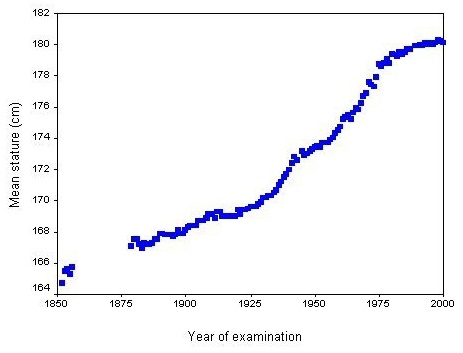
The height of the Swedish people has grown rapidly over the course of a century.
Read more: What is the Average Height of Germans?

Hi everyone, I’m Tony Scotti, an expert in the field of height increase with many years of experience researching and applying height increase methods, and have achieved promising results. I have created increase height blog as a personal blog to share knowledge and experience about what I have learned during the process of improving my own height.