Growth Science
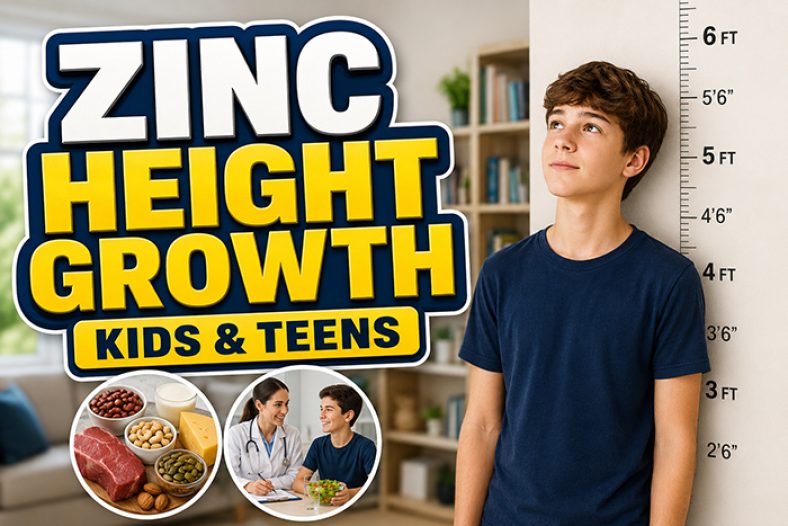
Our height-boosting foods guide already covers how much zinc kids need by age and which foods deliver it. This piece goes a layer deeper: how zinc actually works at the growth plate, and—more importantly—which kids actually see a height benefit from getting more of it, versus which kids don't.
How Zinc Actually Works at the Growth Plate
Bones lengthen at the growth plate, a layer of cartilage near each end of a long bone where cells called chondrocytes multiply, mature, and are gradually replaced by new bone. Zinc is a required cofactor for more than 300 enzymes in the body, and several of them are directly involved in this cell-division process—which is why zinc status affects growth plate activity more directly than most nutrients on a typical "eat this for height" list.
A controlled study in young chickens illustrates this directly: cutting zinc from the diet for just a few days caused visible damage to the growth plate—reduced cell division and increased cell death—in the areas of cartilage farthest from the blood supply, and the researchers noted this happened even though overall growth rate and food intake hadn't yet slowed during the short study window.
This is an animal study, not a human trial. It's useful for showing the mechanism is real and fast-acting at the cellular level—not for predicting exactly how much extra zinc might do for a human child's height. For that, the human supplementation trials below are the more relevant evidence.
Does Zinc Supplementation Actually Make Kids Taller?
This is where the research gets more interesting than a simple yes. Several large meta-analyses have pooled human trials on zinc and child growth—and the pattern that emerges is less about whether zinc "works," and more about who it works for.
A more recent 2023 meta-analysis pooling 8 studies and 1,586 healthy children over age 2 found a similar pattern: a statistically significant increase in height with zinc supplementation, on top of an increase in weight and height-for-age z-score. Taken together with the two analyses above, the honest summary is this: zinc supplementation has a real, repeatable growth benefit in populations where zinc intake was genuinely inadequate to begin with—which describes a meaningful share of children worldwide, but not necessarily a child already eating a varied diet with regular meat, dairy, or legumes.
None of these trials isolated "already well-nourished" children as a separate group. Most participants came from populations with meaningful rates of zinc deficiency or growth faltering. That's exactly why the effect shows up so consistently—and exactly why it's not safe to assume the same centimeter gains would appear in a child who is already meeting their zinc needs through food.
Signs Your Child Might Be Low on Zinc
Because zinc deficiency is common enough to matter but rarely tested for directly, recognizing the pattern of symptoms is often more practical than waiting on a lab test.
Who's Actually at Risk of Low Zinc
Zinc deficiency isn't evenly distributed. A few groups are consistently more likely to be genuinely short on it:
| Group | Why the Risk Is Higher |
|---|---|
| Vegetarian or vegan kids | Plant foods contain less zinc than meat, and compounds in grains and legumes (phytates) block some of the zinc absorption that is there. |
| Very picky eaters | A narrow diet that skips meat, dairy, and legumes together can miss most of the reliable zinc sources at once. |
| Kids with GI conditions | Celiac disease, inflammatory bowel disease, and chronic diarrhea all interfere with how much zinc actually gets absorbed, regardless of intake. |
| Kids recovering from illness | Recovery and catch-up growth both increase zinc demand at exactly the time appetite may still be reduced. |
What This Means in Practice
The practical takeaway: zinc is one of the more mechanistically direct nutrients for height growth—it acts right at the growth plate, not just as general nutritional support. But the strongest, most consistent height gains from zinc supplementation show up in children who were genuinely deficient to start with, not automatically in every child. For the actual RDA numbers by age and the best food sources, see our height-boosting foods guide.
Frequently Asked Questions
Will giving my child a zinc supplement make them grow taller?
It depends on whether they're actually low on zinc to begin with. The clearest height benefits in the research come from children with genuine zinc inadequacy. For a child already eating a varied diet with regular meat, dairy, or legumes, the evidence for extra height from extra zinc is far less consistent.
How is zinc different from calcium or vitamin D for growth?
Calcium and vitamin D primarily support bone mineralization—making bone tissue dense and strong. Zinc acts earlier in the process, supporting the cell division of chondrocytes at the growth plate itself, which is what drives the bone to lengthen in the first place.
What age does zinc supplementation seem to matter most?
Meta-analyses have found a stronger, more consistent height effect starting after age 2 compared to infancy, though the exact reasons for this age pattern aren't fully settled in the research.
Can too much zinc be a problem?
Yes. Excess zinc can interfere with copper and iron absorption over time. Sticking to age-appropriate amounts—and checking the combined total if a child takes more than one supplement containing zinc—is the safer approach.
Is a blood test the best way to check for zinc deficiency?
Serum zinc tests exist, but they aren't perfectly reliable on their own since levels can shift with the time of day and recent meals. In practice, a pediatrician usually weighs test results alongside the overall pattern of diet, symptoms, and growth-chart trends.